Board and batten siding delivers a timeless, vertical‑line aesthetic while providing a practical, weather‑resistant exterior cladding solution; homeowners choose it for its blend of rustic charm and modern performance. If you’re weighing board and batten against other options, start by understanding its material choices, cost structure, and long‑term upkeep—insights that the expert guide to hiring local siding installers already emphasizes.
What Exactly Is Board and Batten Siding?
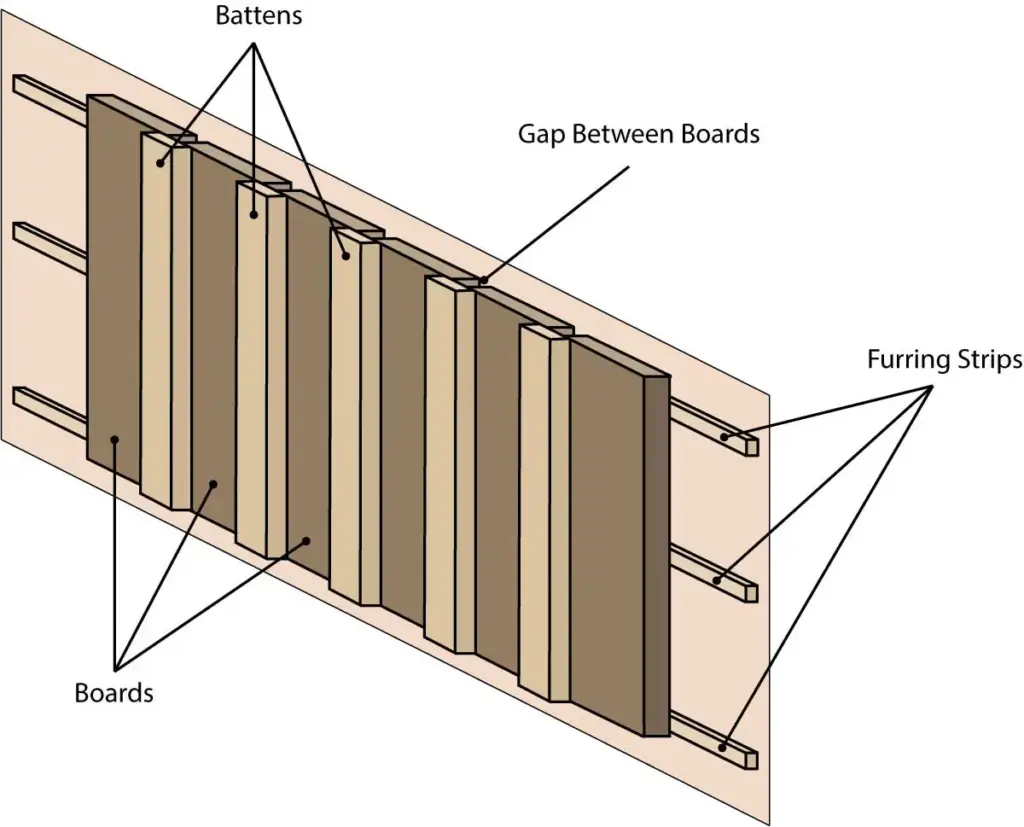
Board and batten is a two‑part siding system: wide vertical boards (the “boards”) are installed first, then narrower strips (the “battens”) cover the seams. This simple construction creates a pronounced vertical line that can make a two‑story home appear taller and adds depth to flat façades. Historically popular on barns and rural cottages, the style has been modernized with engineered wood, fiber‑cement, and even PVC, allowing it to meet today’s energy‑efficiency standards.
Key Components
- Boards: Typically 8–12 inches wide, ranging from solid wood to composite panels.
- Battens: Usually 2–4 inches wide, fastened over the board joints to seal gaps.
- Fasteners: Stainless steel or coated nails/screws to prevent corrosion.
- Finish: Paint, stain, or factory‑applied coating for UV protection.
Why Choose Board and Batten in 2026?
According to the National Association of Home Builders* (NAHB) 2026 market report, vertical‑line siding accounted for 14 % of all new residential siding installations, up 3 % from 2024, driven by consumer demand for “rural home aesthetic” that still feels contemporary. Below are the top reasons homeowners favor this style. Table of Contents
1. Visual Appeal and Architectural Flexibility
The pronounced lines create a sense of height, making it a popular choice for narrow urban lots. Board and batten also pairs well with modern materials—think metal roofs or large picture windows—allowing a seamless blend of old‑world charm and sleek design.
2. Durability When Properly Installed
When installed over a moisture‑resistant barrier and properly sealed, board and batten can achieve an R‑value of 0.45 per inch of thickness (U.S. Department of Energy, 2025). Fiber‑cement battens, for example, resist rot and insect damage better than traditional pine.
3. Cost‑Effective Compared to Premium Options
For a 2,000 sq ft home, the 2026 average installed cost for board and batten ranges from $4,800 to $7,500 (including labor), according to HomeAdvisor. This is roughly 20 % less than premium Hardie board or fiber‑cement lap siding.
Material Choices and 2026 Pricing
The market now offers three main material families for board and batten siding, each with distinct performance attributes and price points.
| Material | Average Cost (per sq ft) | Life Expectancy | Key Benefits |
|---|---|---|---|
| Solid Pine (treated) | $1.80–$2.40 | 15–20 years | Natural look, easy to paint |
| Engineered Wood | $2.20–$3.10 | 25–30 years | Dimensional stability, low maintenance |
| Fiber‑Cement (e.g., James Hardie) | $3.50–$4.80 | 30–50 years | Fire‑resistant, rot‑proof, excellent for coastal areas |
For homeowners focused on sustainability, engineered wood uses a blend of reclaimed timber and resin, reducing forest impact by an estimated 35 % compared with virgin lumber (Environmental Protection Agency, 2025).
Step‑by‑Step Installation Guide
Even if you plan to hire a professional, knowing the process helps you evaluate quotes and ensures quality control. Below is a concise, actionable workflow that aligns with the Ultimate 2026 Guide to Siding for House recommendations.
1. Prep the Substrate
- Inspect and repair any damaged sheathing.
- Apply a weather‑resistive barrier (WRB) with taped seams—preferably a self‑adhesive membrane approved by the International Code Council (ICC).
- Install flashing around windows, doors, and rooflines.
2. Install the Boards
Start at the bottom corner, using a level to keep each board plumb. Leave a 1/8‑inch gap between boards to allow for expansion. Fasten every 16 inches with stainless‑steel nails.
3. Apply the Battens
Place battens over the seams, aligning them with the board edges. Fasten similarly, but stagger the batten joints by at least 12 inches to improve water shedding.
4. Seal and Finish
- Caulk all interior edges of the battens with a high‑quality exterior acrylic caulk.
- Prime the entire surface (if using paint‑able material) with a UV‑blocking primer.
- Apply two coats of paint or stain, allowing 24‑hour drying between coats.
Choosing the Right Contractor
A well‑executed board and batten install hinges on skilled labor. The Find the Best Siding Installers Near Me – 2026 Expert Guide suggests checking three critical credentials:
- License and insurance that match local building codes.
- Portfolio of recent board and batten projects, with before‑and‑after photos.
- References that confirm punctuality and clean‑up practices.
Ask potential contractors for a detailed written estimate that breaks down material, labor, and any ancillary costs such as disposal of old siding.
Maintenance Tips to Extend Longevity
Board and batten is low‑maintenance, but regular care maximizes its lifespan.
- Annual Inspection: Look for cracked paint, loose battens, or water intrusion around windows.
- Cleaning: Use a soft brush and mild detergent; avoid high‑pressure washing which can force water behind the WRB.
- Gutter Management: Install leaf guards to prevent debris from spilling onto siding. Our Gutter Leaf Guard 2026 guide explains the best products and installation techniques.
For wood‑based boards, reapply a protective stain every 5–7 years. Fiber‑cement panels typically need only a repaint every 10 years.
Board and Batten vs. Other Siding Types
Understanding comparative strengths helps you make an informed decision.
Vinyl Siding
Vinyl is cheaper (average $2.50–$3.00 per sq ft) but lacks the depth and authenticity of board and batten. It also expands and contracts more, which can cause warping in extreme climates. The Vinyl Siding 2026 guide notes that vinyl’s lifespan averages 20 years, shorter than fiber‑cement board and batten.
Hardie (Fiber‑Cement) Lap Siding
Hardie board offers superior fire resistance (Class A fire rating) and is ideal for coastal zones where salt air accelerates wood decay. However, it is heavier, requiring reinforced framing, and its cost is higher—often $4.00–$5.50 per sq ft installed.
Traditional Wood Clapboard
Clapboard provides a horizontal look, while board and batten emphasizes verticality. Clapboard needs more frequent painting (every 3–5 years) and is more susceptible to moisture infiltration if not properly sealed.
Environmental Impact and Sustainability
In 2026, the U.S. Green Building Council reported a 12 % increase in the use of renewable siding materials, with engineered wood board and batten leading the trend. The material’s low embodied energy—estimated at 2.1 MJ/kg for engineered wood versus 6.4 MJ/kg for vinyl—makes it a greener choice. Additionally, many manufacturers now offer reclaimed‑wood boards that divert timber from landfills.
Common Mistakes to Avoid
- Skipping the WRB: Without a proper moisture barrier, water can infiltrate behind the boards, leading to rot.
- Improper Fastener Spacing: Too few fasteners cause warping; too many can split the boards.
- Neglecting Expansion Gaps: Wood expands with humidity; failing to leave gaps results in buckling.
- Using the Wrong Paint: Exterior acrylic latex is essential; oil‑based paints can trap moisture.
Frequently Asked Questions
Is board and batten suitable for humid climates?
Yes, especially when using fiber‑cement battens and a high‑quality WRB. The vertical seams help shed water efficiently.
Can I install board and batten over existing siding?
It’s possible if the existing siding is sound and securely attached. Adding furring strips can create a flat surface and improve insulation.
How does board and batten affect energy efficiency?
When combined with proper insulation (e.g., spray‑foam or rigid foam) and sealed seams, board and batten can meet or exceed R‑30 wall assemblies, comparable to other high‑performance sidings.
What’s the resale value impact?
Homes with board and batten often command a 3‑5 % premium in markets that value architectural character, according to the 2026 Zillow Home Value Index.
Do I need special tools for installation?
A standard circular saw, a level, a pneumatic nail gun (or a hammer and stainless nails), and a caulking gun are sufficient. For fiber‑cement, a dust‑extraction system is recommended due to silica dust.
Future Trends for Board and Batten Siding
Looking ahead, manufacturers are integrating smart‑coatings that change color with UV exposure, providing a visual indicator of wear. Additionally, modular board and batten panels with built‑in insulation are entering the market, promising faster installation and higher energy performance. Keep an eye on the upcoming Top 2026 Guide to Choosing the Right Siding Companies for updates on these innovations.
Board and batten remains a versatile, cost‑effective, and aesthetically rewarding siding choice. By selecting the right material, partnering with a qualified contractor, and committing to routine maintenance, homeowners can enjoy a durable, beautiful exterior for decades.
Ready to start your board and batten project? Review local contractor profiles, compare material costs, and schedule a detailed on‑site estimate today.
